Rust streamer servers versus public servers and which one is better for learning the game
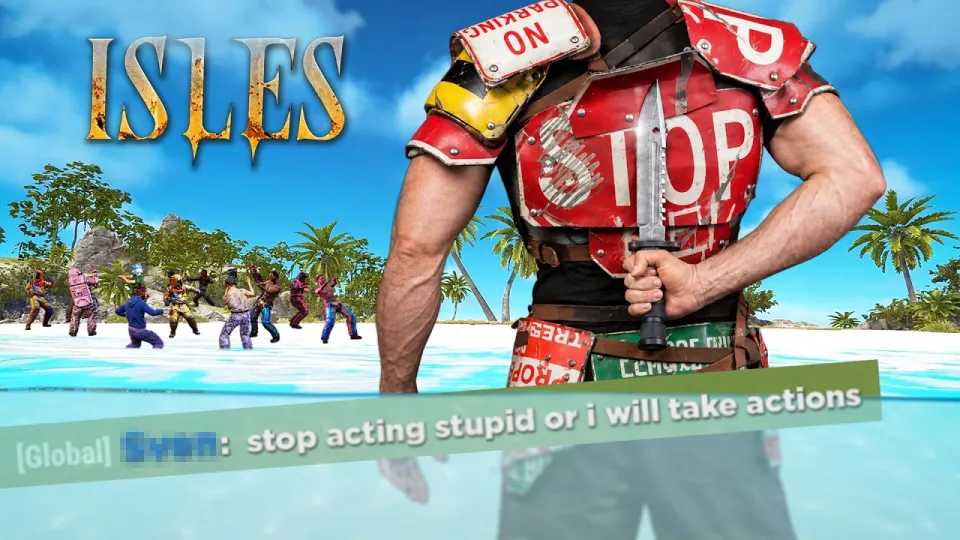
Video: Not Another Rust Streamer Server
You can order the same kind of articles for your own video to boost it on YouTube and Google. Just message the Telegram bot @sat_sit_bot. Articles with your video embedded are written and posted by the bot itself — on popular topical sites (no ads). Free trial — 50 articles.
· based on the channel Stimpee
Key takeaways
- Streamer servers such as Rust Isles are private, invite-only worlds built for content creators, not open to the public.
- Stimpee returned to a streamer server after years away and found admins policing his inventory for weapons of mass destruction.
- Roleplay and pirate-themed rules clash with classic Rust instincts like stealing boats and betraying clan leaders.
- Public vanilla servers keep full loot, offline raids and clan warfare, while streamer servers often restrict or moderate them.
- Solo players on streamer servers face organized clans but benefit from admin oversight against cheaters and exploiters.
Rust streamer servers are better for viewers who want drama, roleplay and moderated chaos, while public vanilla servers are better for players who want the real survival loop of full loot, offline raids and clan warfare. If you are choosing where to spend a wipe, pick a streamer server for the social experiment and a public server for actual progression. Stimpee's return to a streamer server after years away, documented on his channel and streamed live at Stimpee's Twitch channel, shows exactly why the two experiences feel like different games.
What a Rust streamer server actually is
A Rust streamer server is a private, invite-only world where content creators play together under admin supervision and often a roleplay theme. Rust Isles, the server featured in Stimpee's video, leans into a pirate setting with clans, boats and island settlements. Access is granted, not bought, so the population is small, recognizable and heavily moderated compared with a public wipe.
The trade-off is immediate. On a public server, a stranger who steals your boat is just Rust working as intended. On a streamer server, that same move becomes a social incident, and admins may step in. Stimpee's inventory was reportedly checked and his heavy weapons removed, which tells you how much the environment is curated. That curation is the product: viewers get storylines, not just kill logs.
Loot, farming and progression on a curated server
Progression on a streamer server is faster and softer than vanilla because groups share resources and admins keep the playing field level. Streamers typically start with boosted gather rates, generous stack sizes and short wipe cycles, so a stone base becomes a metal compound within a day. On a public server the same arc takes a full weekend of farming wood, stone and scrap.
Key differences worth knowing before you join any similar project:
- Farm rates are usually multiplied, often two to five times vanilla, which compresses the early game into hours.
- Wipe schedules are shorter, sometimes weekly, so nothing you build lasts long.
- Blueprints may be wiped or retained depending on the admin team's rules.
- Admin intervention can remove items, teleport players or settle disputes, which never happens on official servers.
That last point matters most. A curated server is a stage, and the admins are stage managers. If you want the tension of losing a full inventory to a stranger, this is not the place for it.
Raiding, roof camping and clan politics
Raiding on a streamer server is theatrical, negotiated and often consensual, while raiding on a public server is opportunistic and ruthless. Big streamer groups build giant towers, roof camp with sniper rifles and stage online raids for content. Betrayal still happens, but it comes with commentary and a chat reaction rather than a silent offline wipe at 4 a.m.
Stimpee's run illustrates the friction. He joined a clan led by another creator, took the leader's boat and stranded the crew, treating it as a roleplay opportunity. The leader reacted badly in chat and stayed angry afterward. That is the core mismatch: pirate themes suggest lawlessness, but streamer servers run on unwritten social rules. Stealing a boat is fine in Rust and a diplomatic crisis in a curated roleplay world.
For solo players, the practical advice is simple. Expect organized clans with more members and more farm than you, expect roof campers on every monument, and expect the admins to notice you the moment you become a problem. Being watched is a badge of honor in this ecosystem, but it also means your best tricks get nerfed fast.
Solo play, hackers and the reality of moderation
Moderation is the strongest argument for streamer servers and the strongest argument against them, depending on what you want. Cheaters and exploiters get removed quickly because the population is small and every player is on camera. On a public server, a hacker can wipe a solo base for days before anyone acts.
At the same time, heavy moderation flattens the survival sandbox. Trap bases, offline raids and deep-sea ambushes lose their bite when a moderator can reverse the outcome. Solo players who enjoy outsmarting larger groups will find more satisfying victories on vanilla servers, where nobody is checking inventories.
The social layer is the other factor. Streamer servers turn Rust into something closer to a voice-chat lobby with guns, where adults sound like children and everyone knows everyone. Some viewers find that charming, others find it exhausting. Neither reaction is wrong, but it should shape where you queue up.
Common questions about streamer servers answered
Viewers repeatedly ask whether these servers are open to the public, whether the drama is scripted and whether roleplay rules apply to everyone equally. The short answers: access is by invitation, the drama is mostly genuine improvisation, and rules are enforced unevenly because they depend on admin judgment in the moment.
Another recurring theme is clan loyalty. Joining a group on a streamer server means accepting that the leader may treat the arrangement as content rather than a contract. If you take the boat, expect the fallout. If you want a clean, rule-bound experience, stick to public servers and let the streamers keep their playground.
Useful links
- Stimpee on Twitch for live Rust streams and server appearances
- Stimpee on Twitter for schedule and wipe announcements
- Stimpee on Instagram for clips and behind-the-scenes posts
- Stimpee's Discord for community chat and event news
Final verdict on where to play
Streamer servers are a spectacle, not a training ground, and public vanilla servers remain the honest version of Rust. If you want to watch clans collapse over a stolen boat and admins confiscating rocket launchers, the curated world delivers. If you want to learn the game, lose gear and earn a wipe, queue into vanilla and accept the pain. Stimpee's return to this format after years away is the best argument for both sides: it is entertaining precisely because it is not real Rust. Follow the rest of that experiment on Stimpee's Twitch channel and judge for yourself.
Questions & answers
Can regular players join a Rust streamer server like Rust Isles?
Usually no. These servers are invite-only and populated by content creators and their friends, with access granted by the organizers. Some projects open limited public slots or community events, but the default is a closed whitelist rather than a public browser listing.
Are the betrayals and drama on streamer servers scripted?
Mostly not. The setups and themes are planned, but the reactions are improvised, which is why clan leaders genuinely get angry when a boat is stolen. That blend of staged premise and real emotion is what makes the format watchable.
Is a streamer server easier for solo players than official Rust?
It is safer but not easier. Cheaters are removed quickly and admins intervene in disputes, yet solo players still face organized clans with superior farm and numbers. You trade the threat of hackers for the threat of being outnumbered and outgunned.
Why do admins remove weapons from certain players?
Curated servers aim to keep the story going rather than let one player dominate. When someone accumulates heavy weapons or explosives, admins may confiscate them to prevent a wipe-ending raid, which would end the content for everyone else.